IIT Madras Researchers Turn Agricultural Waste into Biodegradable Packaging
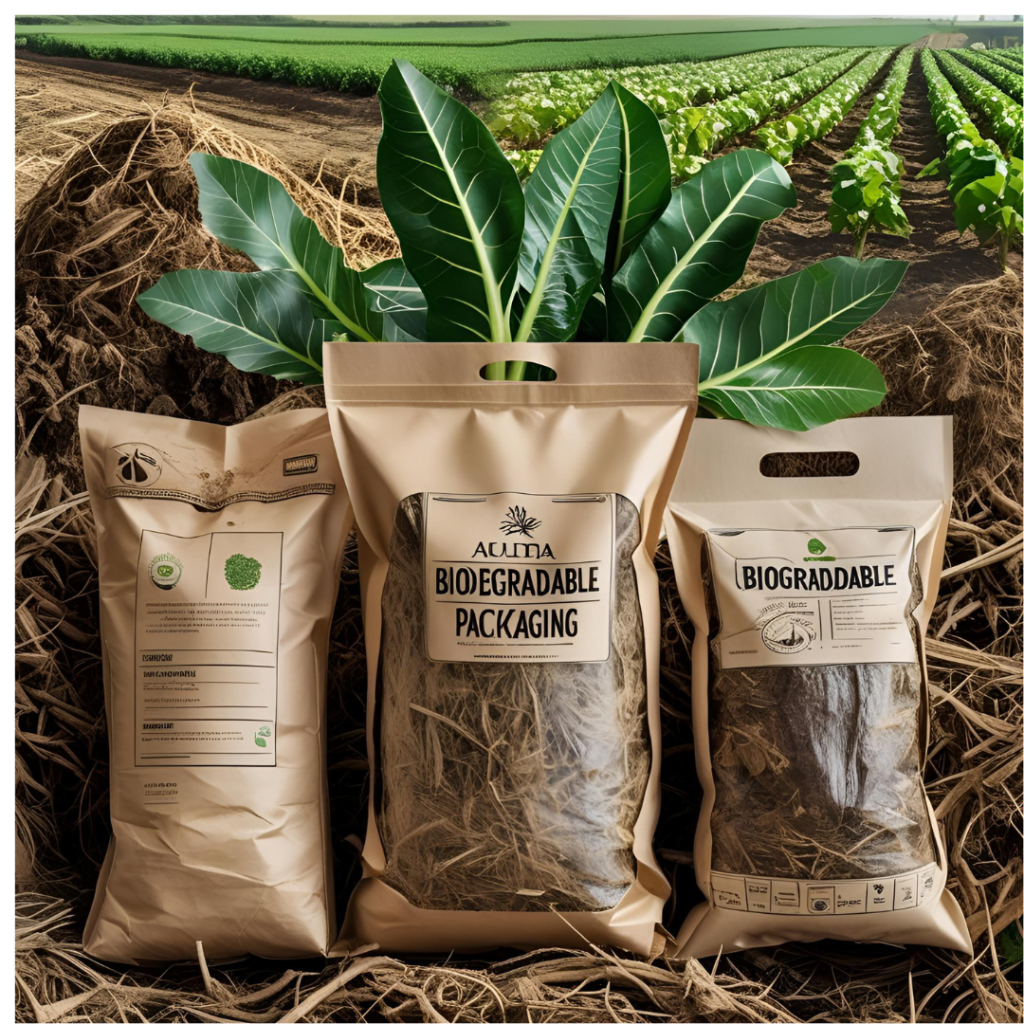
Researchers at IIT Madras have developed eco-friendly packaging from agricultural residues, offering a sustainable alternative to conventional plastic foams.
The innovation uses mycelium-based biocomposites grown on agricultural and paper waste. These materials are strong, water-resistant, and fully biodegradable, tackling both plastic pollution and agricultural waste disposal.
India generates over 350 million tonnes of agricultural waste annually and more than 4 million tonnes of plastic packaging waste. By converting residues into packaging, this research provides a circular economy solution that reduces plastic use and adds value to discarded materials.
The team has launched a start-up, NatureWrks Technologies, to commercialize the technology, collaborating with industry partners and seeking government support.
The research uses fungi such as Ganoderma lucidum and Pleurotus ostreatus on various substrates like cardboard, sawdust, and paper. Certain combinations, such as Ganoderma on cardboard, outperform conventional foams like EPS in strength and durability.
This approach could reduce landfill burden, prevent microplastic pollution, cut greenhouse gas emissions, and create new income opportunities for rural communities, demonstrating a practical, scalable path toward sustainable packaging in India.